


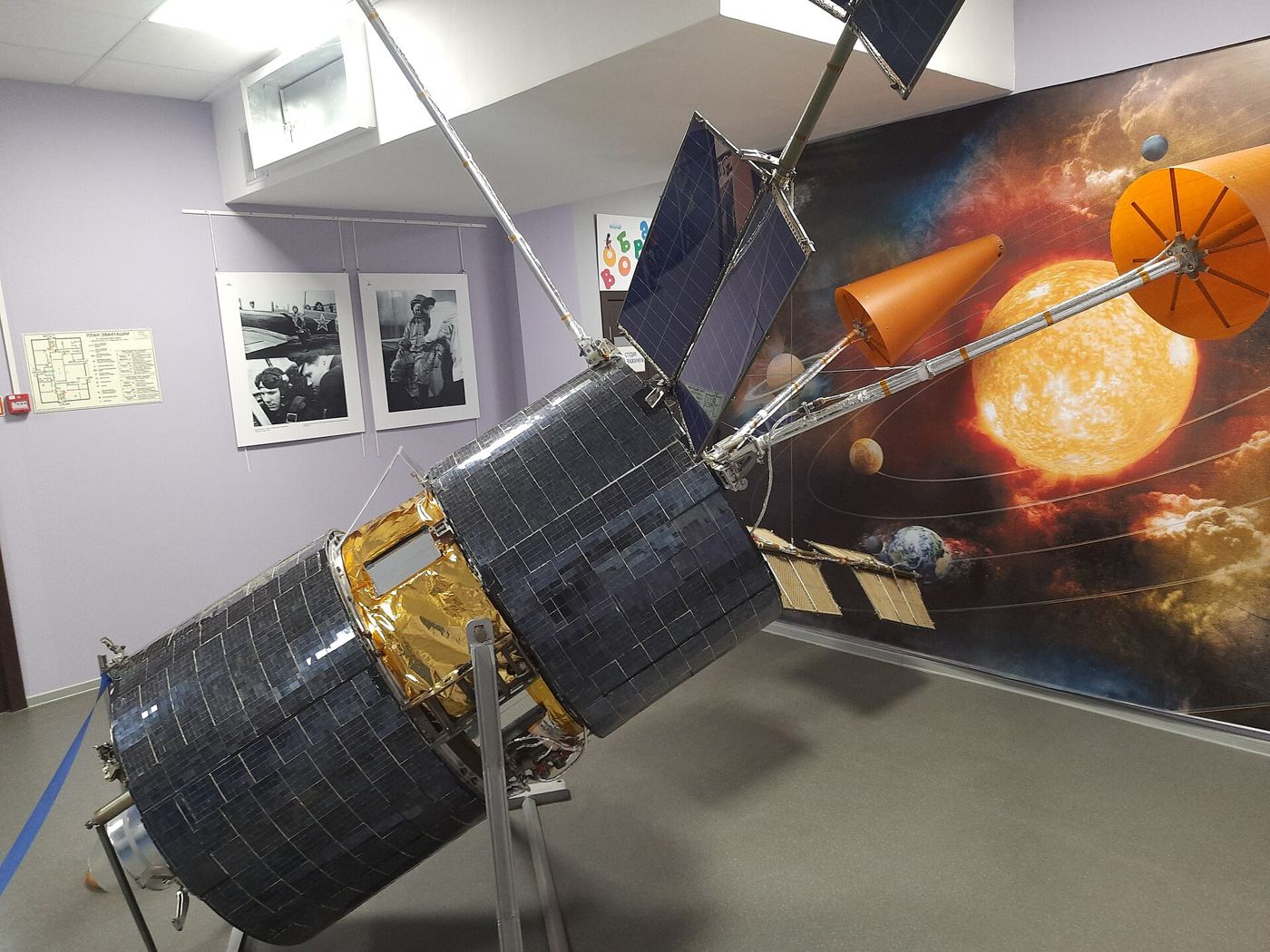
New generations of communication satellites are bringing usable broadband to farms, clinics, and schools that fibre networks have struggled to reach. Lower orbits reduce delay, making video calls and cloud tools more practical for remote users. Providers are also offering smaller, easier to install terminals, which lowers the barrier for households and small organisations that need reliable connectivity without waiting years for ground infrastructure projects. Observers say the pattern is becoming clearer as more real world examples are documented and compared carefully over time.
What the Evidence Shows
Coverage alone does not solve access, so pricing, local support, and resilient power remain important parts of deployment. Regulators are watching spectrum use and orbital congestion as fleets grow, while engineers work on coordination to avoid interference and debris risks. When managed responsibly, satellite services can complement terrestrial networks during disasters, support emergency response, and give remote communities a fairer chance to participate online fully. Taken together, these steps point toward practical progress that can be measured, shared, and improved by others facing similar challenges. Reporting and analysis from sources such as MIT Technology Review track the same developments, and specialists following satellite rural broadband say the direction is now consistent across independent lines of evidence.
The Wider Context
The wider context is an industry learning to ship capability and restraint together. Products built around satellite rural broadband now launch with safety evaluations, usage data and rollback plans as standard, because enterprise buyers and regulators ask for them in the first meeting. Companies that treated those questions as friction are discovering they have become the purchase criteria.
What Happens Next
What happens next for satellite rural broadband depends less on another breakthrough than on the unglamorous work of reliability, pricing and support. The buyers evaluating it now are not enthusiasts; they are operators with budgets and auditors, and their checklists will decide the timeline. On the evidence of the current pilots, the technology has earned the right to be judged by them. You can follow related developments in our coverage of technology.
There is a practical lesson in all of this for readers deciding what to do today. Start with the verified facts, be wary of anyone promising certainty, and prefer reversible steps while the evidence is still developing. Circumstances differ by country, income and personal situation, so general guidance should always be weighed against your own context before you act on it in any significant or lasting way.
It is also worth remembering how quickly the picture in this area has changed before. Positions that looked settled a few years ago have been revised as new data arrived, and the same humility is appropriate now. The strongest coverage of this subject, and the most useful advice, tends to come from sources that update their views openly when the facts move, rather than defending an earlier position long after it has stopped fitting the evidence available.
