


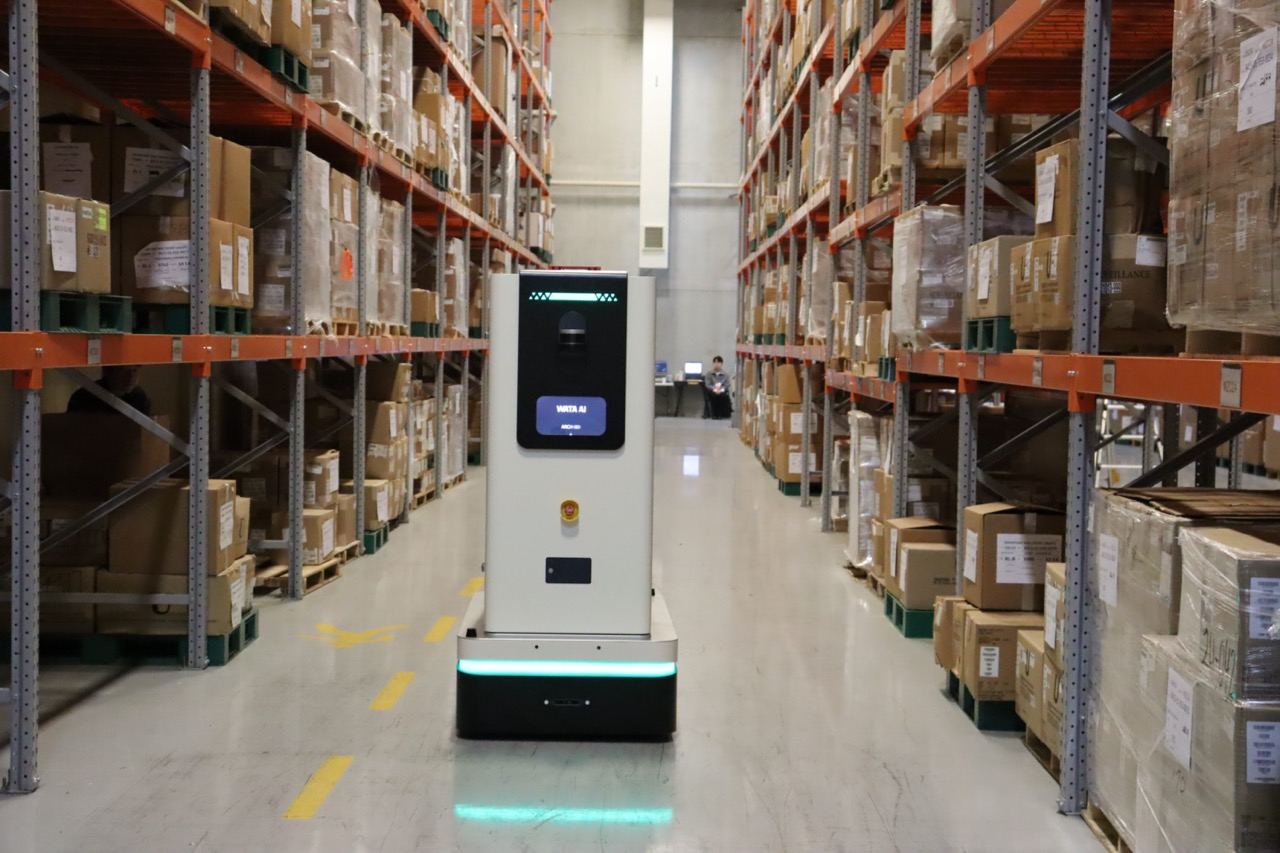
The busiest question in warehouse automation is no longer whether robots work, but how people work alongside them. Facilities introducing mobile robots are redesigning floors, routes and routines so that staff and machines share space predictably and safely. Marked crossings, sensor fields that slow robots when someone steps close, and clear rules about who has priority in each zone replace the older model of simply fencing automation away. Trainers say the goal is a workplace where nobody is surprised by a machine’s movement, and where robots absorb the long walking and heavy carrying that cause fatigue and injury, while people handle judgment, quality checks and the exceptions that automated systems handle poorly. The redesign work is continuous rather than finished, with each new robot model or layout change reopening questions that staff and engineers settle together on the floor.
What the Evidence Shows
Safety design extends beyond sensors to the organisation of work itself. Shifts are planned so charging, maintenance and peak picking do not collide; new staff practise in simulated robot zones before entering live areas; and incident data, including near misses, feeds back into layout changes. Unions and safety specialists increasingly sit in on automation projects from the start, arguing that systems designed with workers tend to run better than systems imposed on them. Managers who have made the transition say productivity followed trust: when staff understand what robots will do and feel the work becoming less punishing, adoption smooths. The warehouse of the near future is therefore as much a designed human environment as a technical one. Facilities that treat safety as design, rather than paperwork, report the steadiest operations, suggesting the human questions were the engineering questions all along in modern warehousing. Reporting and analysis from sources such as IEEE Spectrum track the same developments, and specialists following safe human and robot warehouse workflows say the direction is now consistent across independent lines of evidence.
The Wider Context
Adoption of safe human and robot warehouse workflows follows a familiar pattern with an unfamiliar speed. Early users tolerate rough edges in exchange for advantage, mainstream users arrive when the tool disappears into existing workflows, and the market consolidates around whoever made that transition feel effortless. Vendors are racing less on raw performance now than on integration, support and trust.
What Happens Next
The realistic forecast for safe human and robot warehouse workflows is steady integration rather than sudden replacement: embedded in products people already use, improving in increments, and regulated in proportion to its reach. The companies and institutions that plan on that basis, training staff and redesigning processes instead of chasing launches, are the ones the adoption data tends to vindicate. You can follow related developments in our coverage of technology.
It is also worth remembering how quickly the picture in this area has changed before. Positions that looked settled a few years ago have been revised as new data arrived, and the same humility is appropriate now. The strongest coverage of this subject, and the most useful advice, tends to come from sources that update their views openly when the facts move, rather than defending an earlier position long after it has stopped fitting the evidence available.
