


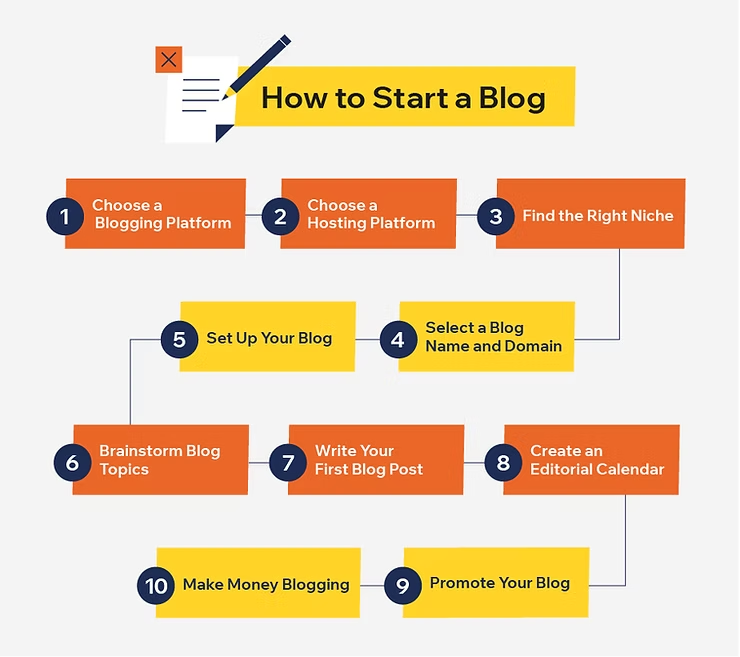
In today’s digital age, blogging is one of the most powerful ways to share knowledge, express creativity, and even build a sustainable income stream. Whether you are passionate about fashion, technology, travel, or even personal development, starting a blog can open countless doors for you. At techshorttips, we’re all about guiding you to start your blogging journey the right way. Blogging, when done right, can unlock your potential, transform your ideas into content, and give you a platform to connect with people around the world.
If you’re ready to jump into the world of blogging, but unsure of where to start, you’re in the right place. In this article, we’ll walk you through everything you need to know to start blogging like a pro, including choosing the right niche, picking the perfect blogging platform, and mastering the art of writing engaging, SEO-friendly posts.
Why Start a Blog?
Blogging offers numerous advantages. First, it allows you to create a space where you can express yourself freely. Secondly, it has the potential to turn into a lucrative business through affiliate marketing, sponsored posts, and advertising. Finally, blogging provides you with a platform to establish authority in your niche, whether you’re sharing your expertise or reviewing products.
But the key to becoming a successful blogger is to start on the right foot. If you’re thinking of starting a blog but don’t know where to begin, here’s your step-by-step guide to getting it right.
Step 1: Choose Your Niche
Choosing a niche is the first crucial step in starting your blog. Your niche is essentially the topic or area you’ll focus on throughout your blog. It’s what will help differentiate you from other bloggers and define your target audience. Your niche should be something you’re passionate about and have enough interest or expertise to write about consistently.
Popular Blogging Niches:
- Tech & Gadgets – If you’re passionate about technology, you can start a tech blog reviewing the latest gadgets, apps, or discussing emerging tech trends.
- Lifestyle & Health – Share tips on healthy living, wellness, fitness, or mental health.
- Personal Finance – Offer advice on saving, investing, and managing money.
- Food & Recipes – Share your culinary skills or review restaurant experiences.
- Travel – Share your travel adventures and tips for others exploring the world.
Take your time to research your niche and ensure it has enough audience interest. A solid niche will help guide your content creation and attract the right readers.
Step 2: Pick Your Blogging Platform
Now that you’ve decided on your niche, it’s time to select a blogging platform. This is where your blog will live. Some platforms offer all-in-one solutions, while others give you more flexibility and customization.
Popular Blogging Platforms:
- WordPress.org: The most popular and flexible platform. It requires self-hosting but offers complete control over your blog’s design, functionality, and monetization.
- Wix: A website builder with drag-and-drop functionality, perfect for beginners who want to create a blog without worrying about technical details.
- Blogger: A free and simple platform owned by Google. It’s beginner-friendly but lacks customization options.
- Medium: A great platform for writers who want to focus purely on content and don’t mind a minimalistic approach to design.
WordPress.org is the most recommended platform for serious bloggers because of its versatility, control, and scalability.
Step 3: Set Up Your Blog
Once you’ve selected your platform, it’s time to set up your blog. For WordPress, you’ll need a domain name (your website’s address) and web hosting (where your blog’s files will be stored).
Steps to Set Up Your Blog:
- Pick a Domain Name: This is the web address where your blog will live (e.g., yourblogname.com). Make sure it’s short, memorable, and related to your niche.
- Choose a Web Hosting Provider: Look for reliable hosting providers like Bluehost, SiteGround, or HostGator. They offer easy one-click WordPress installation.
- Install WordPress: Most hosting providers offer one-click WordPress installation, which is easy to do even if you have no technical experience.
- Choose a Theme: WordPress has thousands of free and paid themes. Pick a responsive theme that aligns with your style and niche.
Step 4: Start Writing High-Quality Content
Now that your blog is set up, it’s time to start creating content. Writing high-quality blog posts that resonate with your audience is what will make or break your blogging journey. To succeed, your content should be:
- Engaging: Use conversational language to keep your readers interested.
- Informative: Provide value by solving problems or answering questions your readers may have.
- SEO-Optimized: Use relevant keywords to make your posts easier to find on search engines.
Tips for Writing Great Blog Posts:
- Start with a catchy headline.
- Write in short paragraphs for easy readability.
- Use headings and subheadings to organize your content.
- Include images, videos, or infographics to make your post more engaging.
Step 5: Optimize for SEO
Search engine optimization (SEO) is a crucial part of blogging success. SEO involves optimizing your blog content to rank higher in search engine results, which increases your visibility and traffic.
Basic SEO Tips for Bloggers:
- Use Relevant Keywords: Research keywords related to your niche and incorporate them naturally into your posts.
- Optimize Your Title and Meta Description: Make sure they include your main keyword and are enticing for readers to click on.
- Use Internal and External Links: Link to other blog posts on your site and reputable external sources to increase your blog’s authority.
Step 6: Promote Your Blog
Writing great content is only half the battle; you also need to promote your blog to reach a wider audience. Here are some ways to promote your blog:
- Social Media: Share your posts on platforms like Facebook, Instagram, and Twitter.
- Email Marketing: Build an email list and send newsletters to your subscribers with the latest posts and updates.
- Guest Blogging: Write guest posts for other blogs in your niche to attract new readers.
- Collaborate with Influencers: Work with influencers who can help promote your blog to a larger audience.
FAQs
Q1: How long does it take to start earning money from my blog?
A: The timeline varies. It usually takes 6 to 12 months to start seeing significant traffic, and you can monetize through affiliate marketing, ads, or sponsored posts once you have a steady flow of visitors.
Q2: Do I need to be an expert in my niche to start a blog?
A: Not necessarily. While expertise helps, you can also learn along the way. The key is to be passionate about the topic and provide valuable insights to your readers.
Q3: Can I blog on multiple topics or should I focus on one?
A: It’s better to start with one niche to build a dedicated audience. Once your blog is established, you can expand to other related topics.
Q4: Do I need to invest in premium tools and services from the start?
A: No. You can start with free tools, especially for WordPress. Premium tools can be considered once your blog starts growing.
Conclusion
Blogging is an exciting journey that can be both fulfilling and profitable when done right. By selecting the right niche, creating high-quality content, and promoting your blog strategically, you can unlock the potential of blogging like a pro. Remember, consistency is key—keep learning, experimenting, and engaging with your readers. Success won’t happen overnight, but with dedication and persistence, you’ll see your blog grow into something amazing.